Buying a Second Home in Cumming: Lake Access, Financing, and Ownership Costs
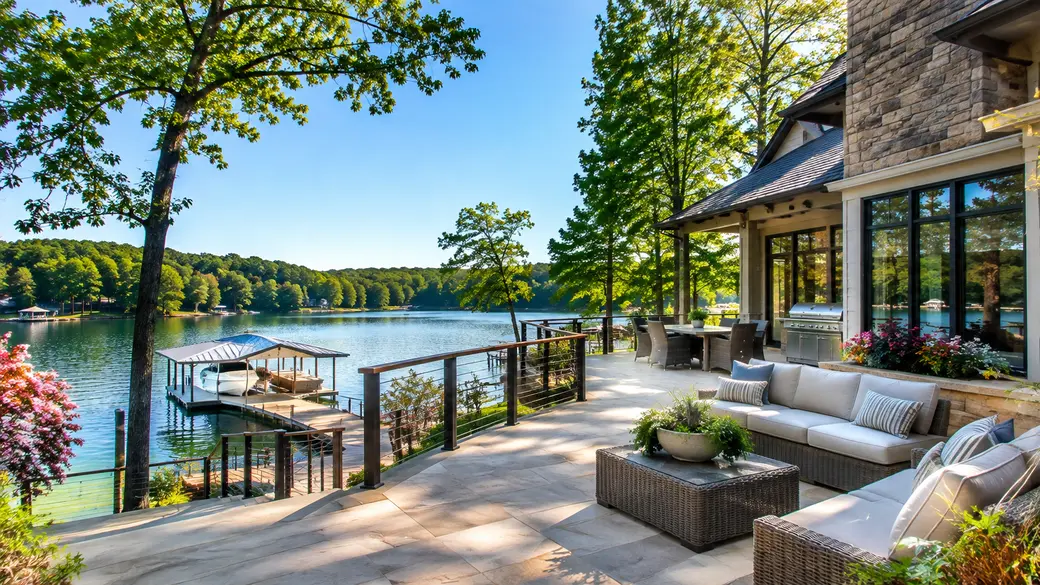
Second home buying in Cumming, GA can be a practical choice for buyers who want a nearby retreat, a gathering place for family, or a home that may suit a future retirement lifestyle. The best purchase aligns your intended use, financing capacity, preferred property type, and willingness to manage a home between visits.
Why Buy a Second Home?
A second home can give you a regular getaway, more room for family time, a future lifestyle option, or limited rental flexibility where rules allow. Cumming appeals to buyers who want access to outdoor recreation, lake-oriented activities, and a different pace from their primary-home routine.
Start by deciding what the home needs to do for you. A weekend property may need guest space, outdoor storage, and an easy-to-maintain layout. A home intended for longer stays or eventual retirement may call for practical daily access, a functional floor plan, and features that remain comfortable over time.
Your expected use should guide nearly every decision. A larger home can make sense if you expect frequent family gatherings, while a smaller lock-and-leave property may be a better fit for shorter visits. The strongest second-home choices are usually based on realistic habits rather than an idealized version of how often you hope to visit.
Second Home vs. Investment Property
A second home is primarily for personal use, while an investment property is acquired chiefly to produce rental income. That difference affects financing terms, tax planning, documentation, insurance needs, and how you evaluate operating costs.
If you plan to use the home for personal weekends, holidays, or extended stays, explain that plan clearly when discussing financing. A property purchased mainly for recurring rentals may be classified differently than one you will occupy yourself throughout the year.
Rental income can be helpful when it is permitted, but it should not be the only reason the budget works. Before relying on projected revenue, consider association restrictions, minimum lease terms, management needs, seasonal demand, and periods when the property could sit vacant. A personal-use home should remain financially comfortable even when rental plans change.
Financing a Second Home
Financing a second home generally requires you to demonstrate that you can manage both your primary residence and the additional property payment. Lenders commonly consider income, existing debts, credit profile, available assets, reserves, and intended occupancy.
Second-home loans can have different down-payment expectations and interest rates than loans for a primary residence. For context, the national 30-year fixed average for a primary-residence loan was 7.18% on November 5, 2026, and second-home pricing can differ from that benchmark. Plan for more than the initial cash needed to purchase. Furnishings, utilities, travel, maintenance reserves, and early repairs can all affect the real cost of ownership.
Test a conservative monthly budget before focusing on a single purchase price. Include principal, interest, taxes, insurance, association dues where applicable, utility costs, and a reserve for routine upkeep. A mortgage calculator is a quick way to compare a few scenarios. A property that feels affordable based only on its loan payment may be considerably less comfortable once annual operating costs are included.
Ask prospective lenders how they define second-home occupancy and whether occasional rental use would affect the available programs. Clear answers early in the process help you compare homes based on their full carrying cost.
Choosing the Right Location
The right Cumming location depends on your drive time, preferred lifestyle, and the routines you expect to have while using the property. Buyers seeking weekend recreation may prioritize convenient routes and access to outdoor activities, while longer-stay buyers may place more value on nearby shopping, dining, healthcare, and everyday services.
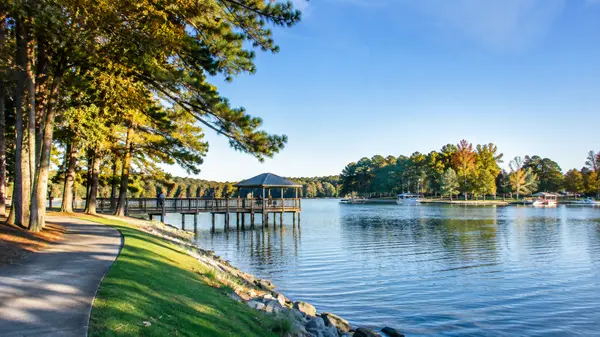
For lake-oriented homes, look beyond the broad idea of being near the water. Confirm whether there is direct water access, a dock arrangement, boat-storage options, usable parking for guests, and sufficient room for outdoor gear. A home can be close to the lake while still requiring a drive or separate access point to reach the water.
Cumming's weather also affects second-home planning. The area sees regular rainfall throughout the year, so buyers should pay particular attention to drainage, gutter maintenance, tree coverage, driveway conditions, and plans for checking the property after storms.
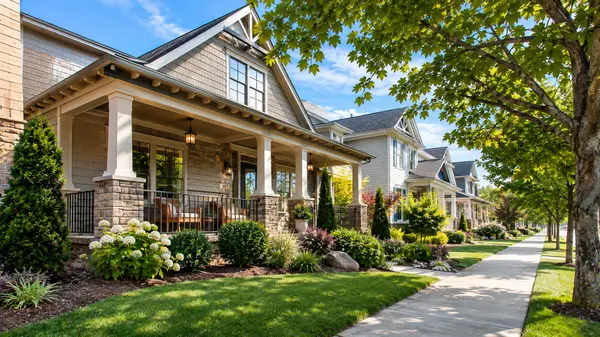
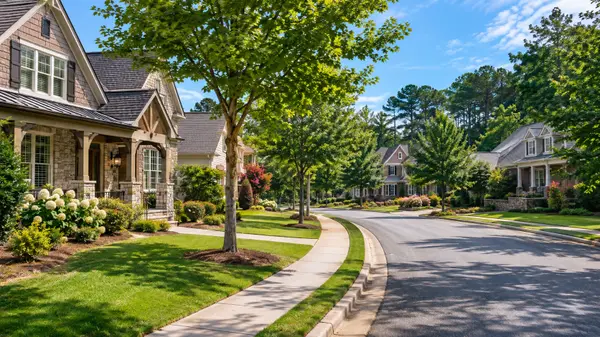
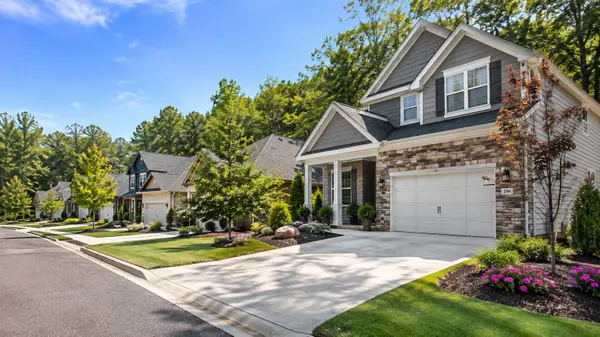
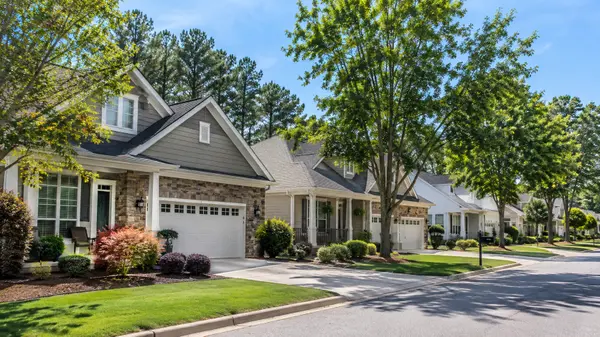
Neighborhood-based options may appeal to buyers who prefer sidewalks, community amenities, newer construction, or less exterior maintenance. Buyers who want walkable dining and events might look at homes near Cumming City Center and the greenway. Compare communities by property setting, maintenance demands, access, parking, and daily-service needs. Visit areas at the times you expect to use the home, including weekends and holiday periods, because traffic, noise, and activity levels can change considerably.
Property Types and Options
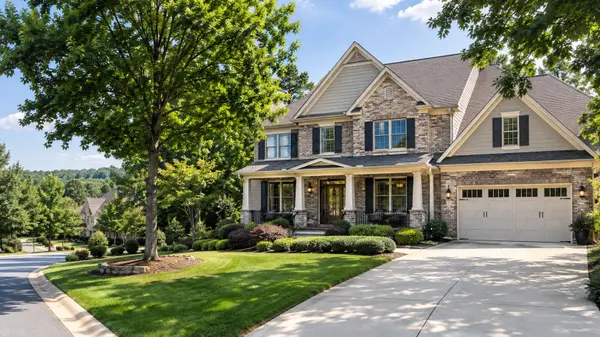
Cumming offers second-home buyers options ranging from detached houses to townhomes, condos, cabin-style properties, and amenity-focused communities. Each property type creates a different balance of privacy, maintenance, guest space, and flexibility.
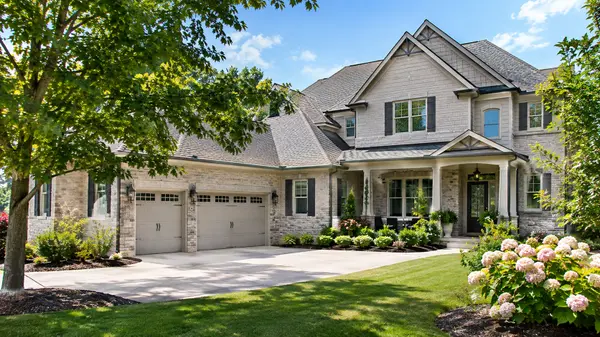
A single-family home can provide more room for visitors, outdoor living, and equipment storage. It may also require more hands-on attention for landscaping, exterior repairs, storm preparation, and security during longer absences. Townhomes and condos can reduce some exterior responsibilities, although association fees and community rules need careful review.
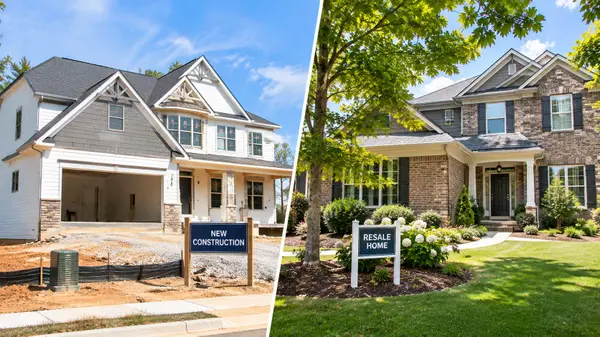
More secluded or cabin-style homes can create a retreat feel, but access, utilities, weather exposure, and property monitoring deserve extra thought. Newer homes may offer modern layouts and fewer immediate maintenance projects, while established homes can provide mature landscaping and distinctive settings.
Choose the type of home that suits your real schedule. A large property is not automatically the better second home if you only expect to visit occasionally. For many buyers, a manageable property that is easy to secure and maintain can support more enjoyable ownership.
Prices and Market Trends in Cumming
Cumming second-home prices vary widely by location, condition, lot characteristics, community features, and access to recreation. Rather than relying on one broad price point, compare homes within the same property category and intended-use profile.
Across Cumming, the median sale price was about $610,000 over the 12 months through October 2026, down roughly 2.4% from a year earlier, and the typical home went under contract in about 38 days. In November 2026, there were 1,125 active listings with an average asking price of $756,000. Those figures are a useful broad reference, but a lower-maintenance townhome, a detached home for regular gatherings, and a property with water-oriented amenities can have very different ownership demands even when their prices appear similar.
Demand is often shaped by buyers seeking more space, outdoor lifestyle access, convenient regional connectivity, and homes that can accommodate part-time use. Well-maintained properties with functional layouts, usable outdoor areas, and clear association rules may be easier to evaluate than homes with deferred maintenance or unclear use restrictions.
Review comparable properties within the same property type and intended-use profile. A buyer considering a low-maintenance weekend home should not use a large, amenity-heavy property as the primary benchmark for carrying costs or upkeep expectations. Our Cumming market report shows recent sales and days on market as listings change.
Owning, Managing, and Renting
Successful second-home ownership depends on having a clear plan for maintenance, security, and property oversight when you are away. Even a home used only for personal visits needs regular attention to utilities, landscaping, repairs, and seasonal preparation.
Create an ownership routine before closing. That might include scheduling HVAC service, arranging lawn care, monitoring plumbing, checking for storm-related issues, and identifying reliable local providers for urgent repairs. Buyers who live farther away may benefit from setting up these relationships before they need assistance.
If renting is part of your plan, confirm all applicable rules before making assumptions about income. Associations can set limits on lease length, guest use, registration, occupancy, and rental frequency. Financing terms and local requirements may also shape how the home can be used.
For lake-area or wooded properties, clarify who will check exterior conditions between visits. A plan for weather-related cleanup, pest prevention, landscaping, and water monitoring can reduce surprises and make the home easier to enjoy when you arrive.
Taxes and Ongoing Expenses
The total cost of a Cumming second home includes far more than the monthly loan payment. Your budget should account for property taxes, insurance, utilities, association dues where applicable, maintenance, furnishings, travel, landscaping, and repair reserves.
Property taxes deserve a close look. Forsyth County assesses property at 40% of fair market value before exemptions, and a second home will not qualify for the homestead exemption that applies to a primary residence.
Insurance deserves particular attention for homes that may be vacant between visits or have features associated with wooded lots, water access, or storm exposure. Compare coverage terms, deductibles, vacancy provisions, and property-specific needs before finalizing your budget.
Utility costs can also vary by usage pattern. A home occupied only on weekends may still need climate control, security, internet, and routine services throughout the year. Build in room for those recurring expenses rather than treating them as occasional extras.
A conservative ownership budget gives you more flexibility when repairs arise or your plans change. It also makes it easier to enjoy the property without allowing every unexpected bill to disrupt the experience.
The Buying Process Step by Step
The second-home buying process works best when you establish your intended use, budget, and financing plan before comparing individual properties. With those fundamentals in place, you can evaluate homes based on the factors that truly affect your ownership experience.
- Define how often you expect to use the home and who will use it.
- Set a complete budget for purchase costs and ongoing ownership.
- Discuss second-home qualification and occupancy expectations with a lender.
- Identify location priorities, such as drive time, recreation, neighborhood setting, or lower maintenance.
- Review available homes for sale in Cumming that match your preferred property type and budget.
- Compare association documents, rental rules, insurance considerations, and likely upkeep.
- Make an offer with terms that support a well-informed decision.
- Prepare a plan for utilities, furnishings, maintenance, and oversight before your first extended absence.
Second home buying in Cumming works best when the location, budget, and ownership responsibilities support the way you genuinely plan to use the property. Prioritize a home that fits your normal schedule and financial comfort level, not just the version of ownership that looks appealing during a single weekend visit.
Thinking About a Second Home in Cumming?
Cumming is home base for The Keely Collective, so the team knows its lake areas, communities, and service providers well. Billy Little and the team, a Century 21 Results group founded by Keely McNeal, can help you compare property settings, ownership costs, neighborhood fit, rental rules, and plans for part-time use, with investment property guidance if rental income is part of the picture.
Call or text Billy at (470) 281-7853, email billy@keelycollective.com, or reach the team at (678) 448-8004. You can also tell us what you have in mind.
FAQ
How much do I need to put down on a second home?
Second-home down payments depend on the lender, loan program, credit profile, available reserves, and your overall financial position. Keep additional cash available for closing costs, furnishings, maintenance reserves, and the first months of ownership.
Can I rent out my second home?
Renting may be possible, but the property's lender terms, association policies, and applicable local requirements must allow it. Review minimum lease periods, registration requirements, guest policies, and any limits on rental frequency before you buy.
Is a second home a good investment?
A second home can provide personal enjoyment and possible long-term value, but its first job should be to fit your lifestyle and budget. The most durable decision is one you can comfortably carry without depending on appreciation or rental income.
Can I use a VA or FHA loan for a second home?
VA and FHA programs are generally designed for a borrower's primary residence, not for a vacation property or second home. A qualified lender can explain which financing options match your intended occupancy.
Recent Posts