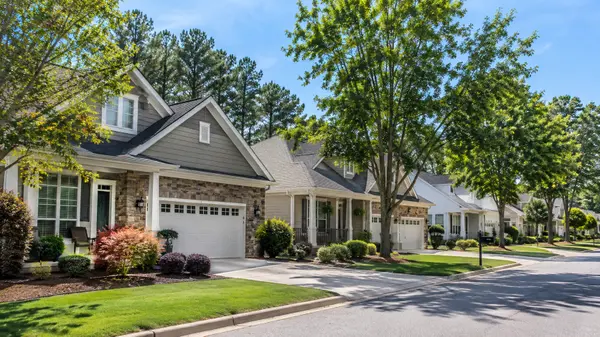
Dawsonville Relocation Guide: Homes, Costs, Schools, and North Georgia Living
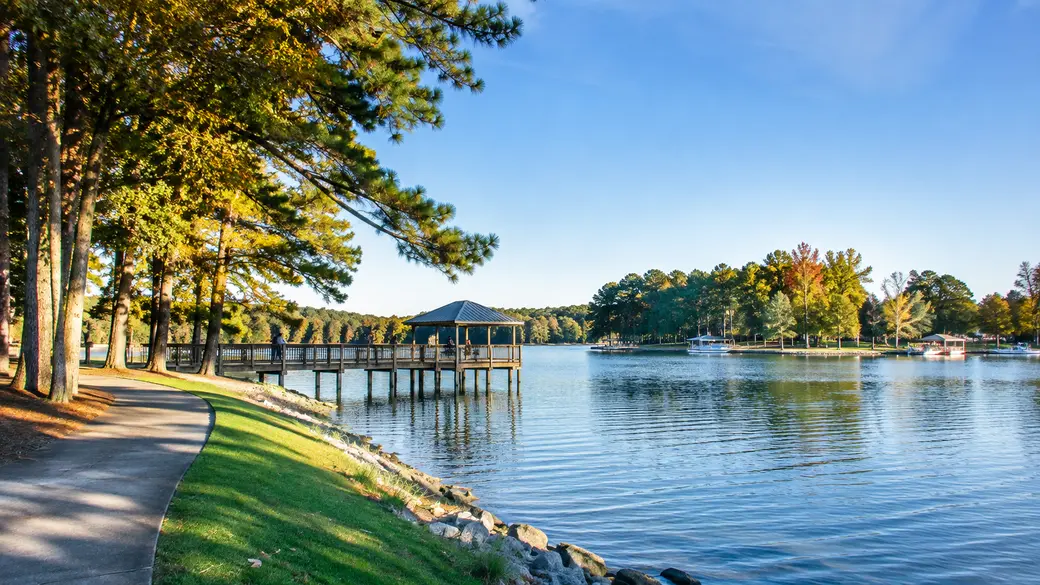
Relocating to Dawsonville, GA means weighing housing costs, school options, commute routines, climate, and the kind of daily setting you want. Buyers sort through these practical choices, from recurring expenses to neighborhood fit. This Dawsonville Relocation Guide explains what daily life can look like before you make the move.
Dawsonville Relocation Guide: Quick Reference
Dawsonville offers a lower-density North Georgia setting where housing choices, vehicle costs, outdoor access, and route planning all play a meaningful role in a relocation budget. The incorporated city of Dawsonville is small and serves as the county seat of Dawson County, while the much larger Dawsonville mailing area covers established subdivisions, newer communities, lake-area homes, and rural acreage.
Home price benchmark: The median sale price across the Dawsonville area was about $417,000 as of August 2026. This is a broad reference point, not an asking-price estimate, because acreage, condition, age, and location can create substantial variation between properties.
Active market: In November 2026, there were 279 active listings with an average asking price of about $671,000. The typical listed home offered roughly four bedrooms, three bathrooms, and just under 3,000 square feet. The gap between the median sale price and the average asking price reflects a wide range, from entry-level homes to large homes on acreage.
Housing ownership: Detached, owner-occupied homes make up most of the housing stock, giving the area a substantial long-term ownership base.
Lifestyle draw: Outdoor access is a central relocation draw. Downtown Dawsonville, Lake Lanier, North Georgia Premium Outlets, mountain routes, and local parks make it possible to combine errands, recreation, and weekend activities without a fully urban routine.
Dawsonville Relocation Guide: Key Numbers
| Metric | Reading |
|---|---|
| Median sale price (August 2026) | About $417,000 |
| Active listings (November 2026) | 279 |
| Average asking price of active listings (November 2026) | About $671,000 |
| Typical active listing | About 4 bedrooms, 3 baths, just under 3,000 sq ft |
Why People Are Moving to Dawsonville
Dawsonville appeals to relocators who want North Georgia recreation, retail convenience, and a less urban day-to-day rhythm. The area gives buyers a choice between established detached homes, newer communities, townhome-style options, and properties with additional land or privacy. That variety can be useful for households moving up in space, changing commutes, or seeking a more outdoor-oriented routine.
GA 400 is an important practical connection for travel toward north metro employment centers. Within the local employment mix, retail, healthcare, manufacturing, education, construction, and professional services all play meaningful roles. North Georgia Premium Outlets supports retail activity, while healthcare, education, construction, and manufacturing provide a broader employment foundation.
Lifestyle is also a concrete part of the decision. Downtown Dawsonville offers local dining, civic spaces, and community events. Lake Lanier, nearby mountain destinations, and the Georgia Racing Hall of Fame add options for boating, hiking, fishing, scenic drives, and weekend activities.
The area is best understood as a set of distinct living environments rather than one uniform market. Homes near retail and commuter routes can feel very different from lake-adjacent, rural, or newer planned-community settings. Relocators should compare driving patterns, property upkeep, utility arrangements, and the lifestyle they expect from a specific address.
Cost of Living in Dawsonville
Dawsonville generally offers a lower-density and outdoor-oriented lifestyle, but the monthly cost picture depends heavily on the exact property and commute. A move should be evaluated through a full household budget rather than purchase price alone.
Because Dawsonville is car-oriented, transportation can be a larger share of the budget for households that commute along GA 400. Larger homes and rural properties can also carry higher utility and upkeep costs, especially where propane, well water, or septic systems are involved.
Property-tax obligations vary by assessed value, exemptions, local levies, and the specific address. Georgia generally assesses property at 40% of fair market value before exemptions. Compare prior tax bills, utility arrangements, insurance needs, driving distances, and any association fees before deciding which address best supports your budget. A mortgage calculator can help you test payments at different price points; at the 7.18% national 30-year fixed average from November 5, 2026, every $100,000 borrowed adds about $677 a month in principal and interest.
Housing Market Overview
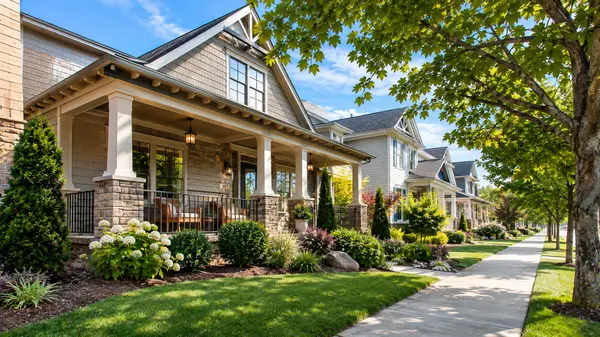
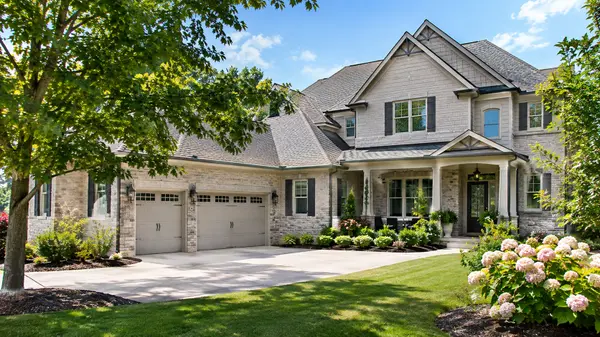
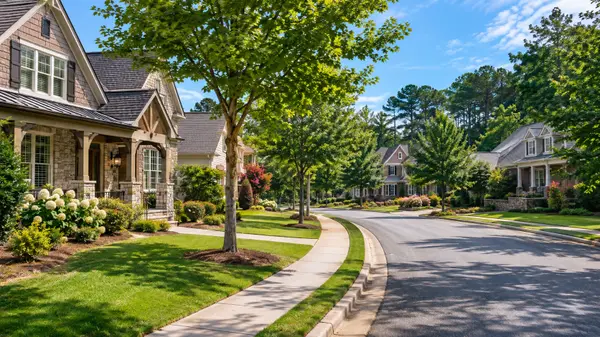
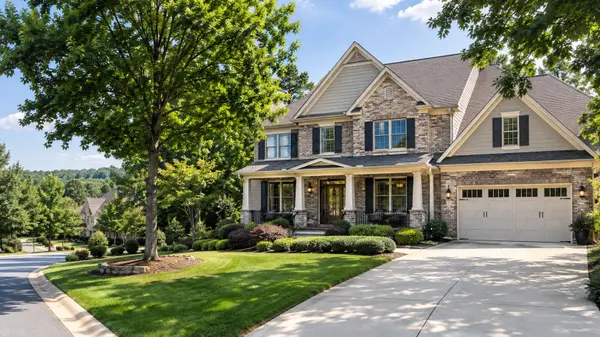
Dawsonville's buyer experience is centered primarily on detached homes, with townhome and lower-maintenance choices available in selected settings. Individual properties can differ materially based on acreage, age, upgrades, community amenities, and access to shopping or GA 400.
Single-family homes are the dominant choice for buyers seeking garages, yards, flexible interior space, or land. Townhomes can make sense for households that prefer less exterior upkeep and a more predictable maintenance routine. Condominiums are less central to the local housing mix than detached homes and townhome-style properties.
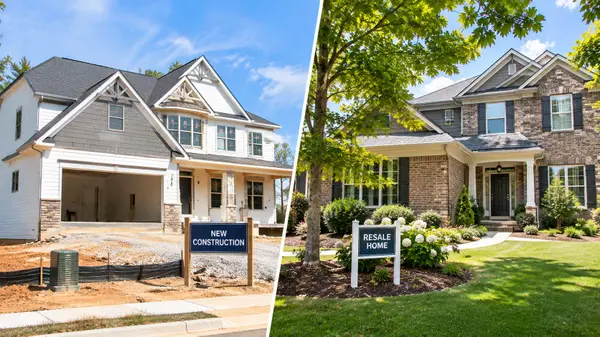
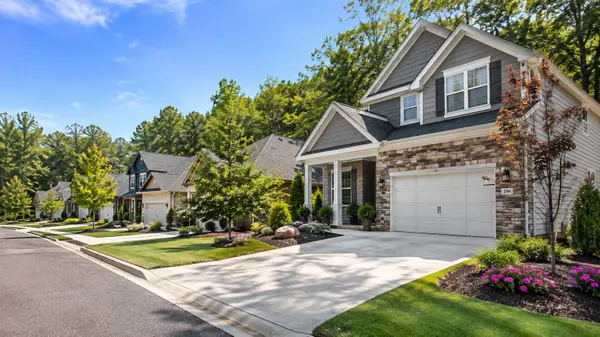
Relocators will encounter both established properties and more recent construction, including active new-home communities. Established homes may offer mature landscaping, while newer communities can provide contemporary layouts and newer building systems.
Market conditions can vary by price point and property type. Instead of assuming that every segment favors buyers or sellers, compare active options by condition, location, lot characteristics, and required maintenance. Current homes for sale in Dawsonville and our Dawsonville market report can help illustrate the range of homes currently being marketed and recently sold.
Neighborhoods and Communities in Dawsonville
Dawsonville offers several distinct housing settings, and the right fit depends on how you prioritize shopping access, land, commute time, recreation, and maintenance. Buyers should expect neighborhood character to change considerably from downtown areas to lake-adjacent or rural addresses.
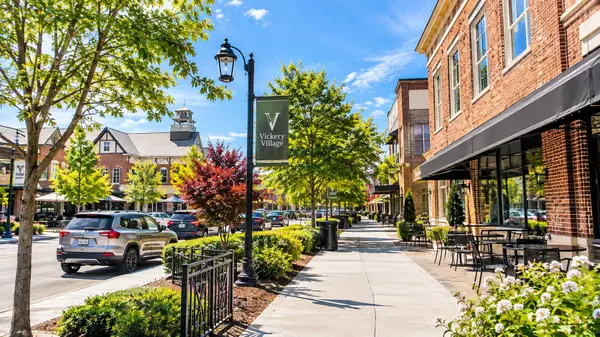
Downtown Dawsonville can suit buyers who want an established small-city environment near local businesses, civic spaces, and the Georgia Racing Hall of Fame. Housing may include older homes, renovated properties, and nearby newer development. It can be a practical fit for households that value a community-oriented routine and easier access to local services.
The GA 400 corridor is often useful for commuters, healthcare workers with variable shifts, and move-up buyers who prioritize regional travel, dining, retail, and day-to-day convenience. Housing ranges from established detached homes to newer subdivisions. This setting can work well for buyers who want a suburban routine without living in a denser employment-center environment.
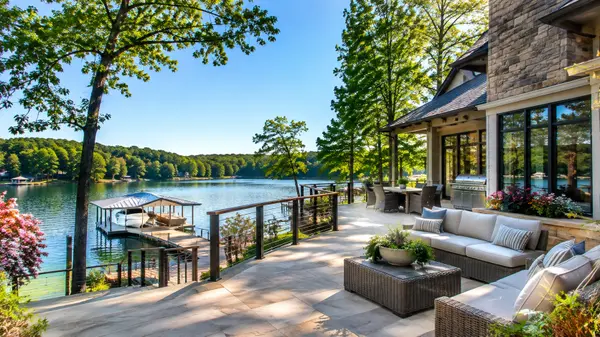
Lake-adjacent areas appeal to buyers who prioritize scenery, recreation, privacy, or access to water-based activities. Homes may include conventional single-family properties, larger lots, and settings with more separation from commercial activity. These areas can be especially appealing to remote workers and downsizers seeking a quieter rhythm.
Newer planned communities can fit first-time buyers and households looking for contemporary layouts, shared amenities, and less uncertainty around exterior upkeep. Buyers should review association rules, fees, and covered services for each property.
Rural Dawsonville settings can suit buyers seeking acreage and privacy. Address-level research is especially important for internet availability, drive times, water systems, septic service, and contractor access.
Jobs and Economy in Dawsonville
Dawsonville's economy includes retail, healthcare, manufacturing, education, construction, and professional services. That mix gives local workers several employment paths while GA 400 supports commuting to broader north metro job centers.
Retail is a visible part of the local economy, particularly around North Georgia Premium Outlets and the GA 400 corridor. Healthcare, education, construction, manufacturing, and professional services provide additional employment categories that are not tied to a single industry. For relocating households, the practical question is often whether a job will be locally based, hybrid, remote, or connected to a north metro commute.
Remote workers should verify internet service at the exact address before committing to a home. Availability, speed options, and provider choices can differ between newer communities, established in-town areas, and more rural properties.
Schools and Education in Dawsonville
Dawsonville school research should begin with address-specific assignment confirmation because attendance boundaries and available options can vary within the Dawsonville mailing area.
Dawson County High School serves grades 10 through 12. The broader area also includes elementary and middle-level options associated with Dawson County Schools, and some Dawsonville addresses near the county line may be served by a neighboring district.
Private alternatives in the area include Dawson Christian Academy and War Hill Christian Academy. These options can be relevant for households comparing grade configurations, class sizes, transportation arrangements, and educational approaches.
School decisions should not rely on a single rating or broad area description. Before selecting a home, confirm the assigned public school, enrollment process, transportation availability, extracurricular offerings, and any program requirements directly for the address under consideration.
Climate and Lifestyle
Dawsonville has four distinct seasons, with warm and humid summers, cool winters, and regular rainfall throughout the year. Snow is limited, so routine snow-removal costs are generally less significant than preparation for heavy rain, summer heat, and severe-weather alerts.
Outdoor life can include downtown events, local park visits, lake activities, fishing, hiking, and mountain trips. Lake Lanier expands boating and waterfront recreation opportunities, while nearby North Georgia destinations make scenic drives and trail access part of the regional lifestyle. The Georgia Racing Hall of Fame provides a distinctive local cultural stop.
Relocators should budget for weather-related home maintenance, including drainage planning, roof upkeep, insurance coverage, and seasonal HVAC use. Emergency planning and a careful insurance review for storm coverage should be part of the moving checklist.
What to Budget Beyond the Purchase Price
A Dawsonville relocation budget should account for recurring ownership, transportation, and property-maintenance costs in addition to the purchase price.
Property taxes: Tax obligations depend on assessed value, exemptions, municipality, and applicable levies. Review the prior tax record for the exact property before setting a monthly ownership budget.
Homeowners insurance: Premiums can vary by roof age, construction type, coverage limits, claims history, and location. Severe-weather preparation should be part of your coverage review.
Utilities: Electricity, water, gas, propane, septic service, and internet costs can vary significantly by address.
Transportation: Households using GA 400 regularly should plan for fuel, vehicle maintenance, parking, and the time value of a longer commute.
HOA fees: Fees may apply in planned communities and townhome developments. Confirm the current fee, covered services, maintenance obligations, rental rules, and any pending assessments before making an offer.
Dawsonville Relocation Guide: Decision Framework
Dawsonville is generally strongest for buyers who prioritize outdoor access, lower-density surroundings, and a broad range of detached-home settings.
| Factor | What to weigh in Dawsonville |
|---|---|
| Housing setting | Detached homes, land, newer communities, and rural options |
| Cost planning | Housing, transportation, utilities, and taxes need address-level review |
| School research | Confirm assignment and programs by address |
| Commute orientation | GA 400 access with a car-oriented routine |
| Climate planning | Rain, humidity, heat, and severe-weather preparation |
| Lifestyle fit | Small-city, outdoor-oriented, and lower-density |
Frequently Asked Questions About Moving to Dawsonville
Is Dawsonville a good place to live?
Dawsonville can be a strong fit for households seeking outdoor access, local retail, and a lower-density North Georgia lifestyle. Your fit will depend on commute expectations, preferred property type, and comfort with a car-oriented routine.
How affordable is housing in Dawsonville?
Housing affordability depends on the property type, acreage, age, condition, and location you choose. The median sale price was about $417,000 as of August 2026, while active listings in November 2026 averaged about $671,000. Compare taxes, insurance, transportation, utilities, and association fees alongside the purchase price.
What are the job prospects in Dawsonville?
Dawsonville has an employment base that includes retail, healthcare, manufacturing, education, construction, and professional services. GA 400 also supports commuting to north metro employment centers. Remote workers should verify internet options at the individual address before making a housing decision.
What should I know about schools in Dawsonville before moving?
Start by confirming public-school assignment for the exact property you are considering. Dawson County High School serves grades 10 through 12, and private options include Dawson Christian Academy and War Hill Christian Academy.
What are the biggest costs to budget for when relocating to Dawsonville?
Plan for property taxes, homeowners insurance, utilities, transportation, applicable HOA fees, moving expenses, and service setup costs. Weather readiness should also be part of the budget, including roof upkeep, drainage, and storm coverage.
Ready to Make Your Move to Dawsonville?
Relocating from a distance is easier with someone local who can tour homes, check commute routes, and flag ownership costs before you commit. Billy Little and The Keely Collective, a Century 21 Results team founded by Keely McNeal, help relocating buyers and healthcare professionals compare Dawsonville neighborhoods, budgets, and housing options, with real-time listing alerts and personal guidance from first call to closing. Call or text Billy at (470) 281-7853, email billy@keelycollective.com, or reach the team at (678) 448-8004. You can also start a no-pressure conversation here.
Recent Posts