Second Home Buying in Alpharetta: Everything You Need to Know
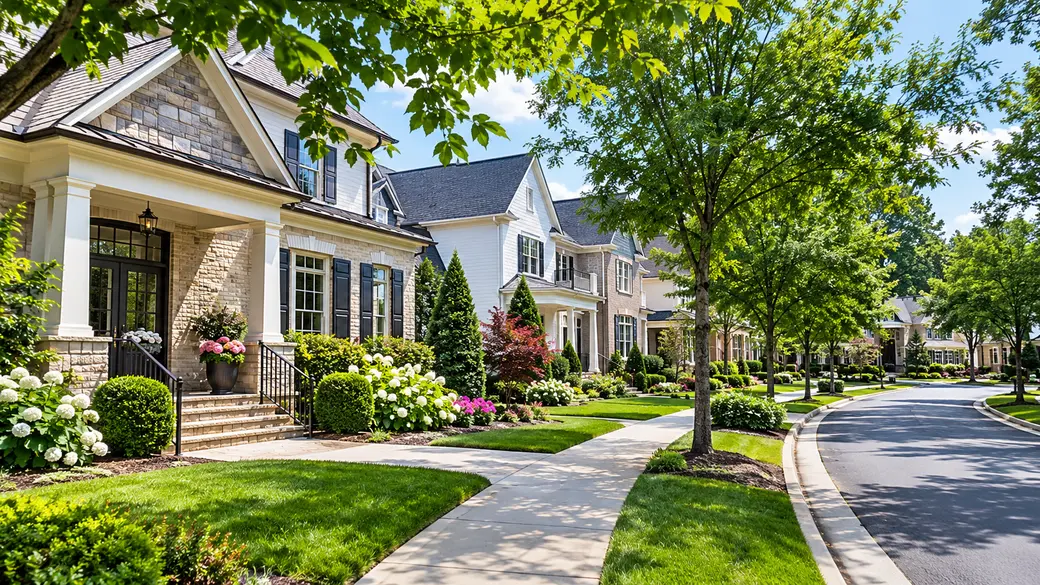
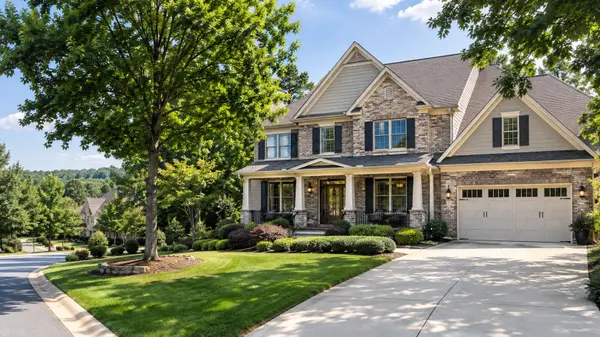
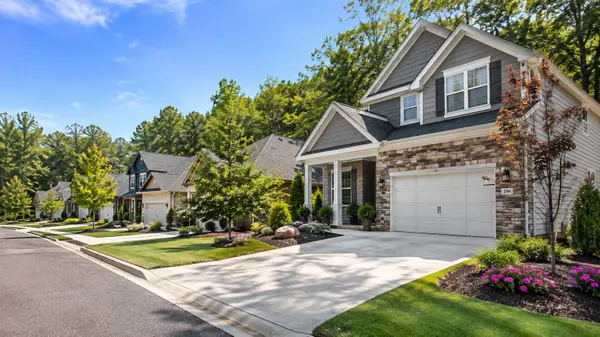
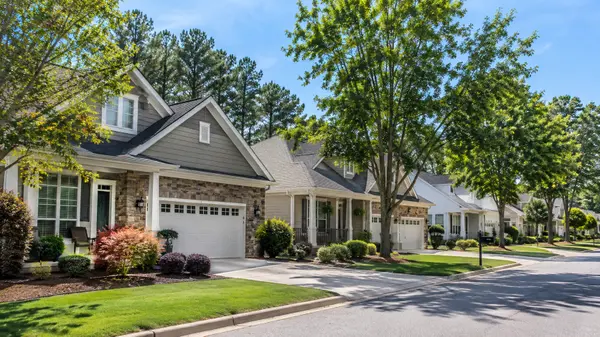
Second home buying in Alpharetta, GA works best when the property fits how often you will use it, what you can comfortably carry, and whether its location supports your plans. Buyers may want a place to escape, gather family, plan for retirement, or create a flexible home base without moving full time.
This guide covers financing, locations, property types, ownership, rentals, and costs so you can decide whether a second home fits your lifestyle and budget.
Why Buy a Second Home?
A second home can give you a reliable place for weekend stays, family gatherings, future retirement plans, or occasional personal use without requiring a permanent move.
For some buyers, Alpharetta offers the appeal of a nearby retreat rather than a faraway vacation property. You may be close enough to use the home regularly while still choosing a different pace, neighborhood setting, or property style than your primary residence provides.
A second home can also support long-term flexibility. Buyers sometimes begin with occasional stays, then spend more time in the home as work arrangements, family needs, or retirement plans change. Buy for the way you expect to use the property first, rather than relying solely on future appreciation or rental revenue.
Before beginning your search, define what matters most: walkable dining, low-maintenance living, outdoor space, room for guests, or access to everyday conveniences. That priority list should guide later decisions.
Second Home vs. Investment Property
A second home is generally intended for your personal use, while an investment property is purchased mainly to generate rental income.
That distinction can affect financing terms, occupancy expectations, insurance needs, tax treatment, and the amount of rental activity a lender may permit. A home used personally for much of the year may fit a second-home profile, while a property marketed regularly to tenants may be treated differently.
Be direct about your intended use when discussing options with a lender and tax professional. A plan that begins as occasional renting can change the financial picture if the property becomes a business-focused asset.
If your main goal is personal enjoyment with limited rental flexibility, a lock-and-leave townhome or condo may be worth considering. If income production is your central objective, review the operating demands carefully before making an offer.
Financing a Second Home
Financing a second home usually requires you to demonstrate that you can manage both your primary housing costs and the new property's monthly obligations.
Lenders commonly consider income, existing debts, available cash reserves, credit profile, and expected total payment. That payment may include principal, interest, property taxes, insurance, association dues, and other recurring ownership costs.
Second-home loans can involve higher down-payment expectations or different rate options than a loan for a primary residence. Exact terms depend on the lender, loan program, property type, and how you plan to occupy the home. For context, the national average for a 30-year fixed primary-residence mortgage was 7.18% in early November 2026, and second-home pricing can differ from that benchmark.
Start the conversation early, before focusing on a specific property. A lender can help you compare purchase-price scenarios and see how association dues, insurance, and taxes affect the monthly picture. Running a few numbers through a mortgage calculator can help organize preliminary budget questions before that discussion.
Choosing the Right Location
The right Alpharetta location is the one that makes you want to use the home often, not simply one that looks appealing in listing photos.
Think about the drive from your primary home, workplace, airport, or favorite destinations. A second home that is convenient to reach may provide more lifestyle value than a larger property that feels difficult to visit regularly.
Buyers who want dining, shopping, and a connected daily routine may prioritize locations near Downtown Alpharetta or other mixed-use destinations. Buyers seeking more privacy may prefer neighborhoods where outdoor space, a quieter setting, or community amenities shape the experience.
It is important to verify the exact jurisdiction, services, association rules, and property boundaries for any address under consideration. The Alpharetta mailing area can be broader than the city's municipal boundary in North Fulton County, so confirm the county, taxing authority, utilities, school assignment, and governing association for the specific property rather than relying on the mailing address alone.
Use your own list of must-haves during every showing. Comparing travel convenience, maintenance needs, nearby amenities, and the day-to-day setting can help separate a good-looking property from one that genuinely supports how you will use it.
Property Types and Options
Alpharetta offers second-home buyers several practical property types, including detached homes, townhomes, condos, and homes in amenity-oriented communities.
| Property type | Best for | Ongoing considerations |
|---|---|---|
| Single-family home | Buyers who want privacy, guest space, storage, parking, or outdoor flexibility | Landscaping, exterior maintenance, utilities, security, and seasonal upkeep require a clear plan |
| Townhome | Owners seeking a balance of personal space and lower exterior maintenance | HOA dues, shared walls, parking rules, rental policies, and maintenance responsibilities vary by community |
| Condo | Buyers who prioritize a lock-and-leave setup near amenities or walkable destinations | Association rules, monthly dues, rental limits, shared-building maintenance, and future assessments deserve close review |
A single-family home can provide more room to host family, bring pets, or spend extended periods at the property. The tradeoff is that exterior upkeep, landscaping, and seasonal maintenance may require more time and planning.
Townhomes and condos can suit buyers who prefer a lower-maintenance routine. Depending on the community, association dues may cover certain exterior responsibilities or shared amenities. Review association documents closely, particularly rules governing rentals, pets, parking, maintenance responsibilities, and future assessments.
Buyers should also consider how the home will function when empty. A property with simpler exterior care, secure access, and manageable systems may be easier to own when you are not there every week.
Prices and Market Trends in Alpharetta
Alpharetta is a higher-cost market, so second-home buyers should evaluate the full ownership budget rather than focusing only on the purchase price.
As of November 2026, the median sales price in Alpharetta is $750,564, while the average sales price is $1,111,291. Use those figures as a planning reference rather than as a price for every neighborhood or property type. Attached homes and condos can come in well below the median, while larger detached homes and estates sit far above it.
Listing choices can vary substantially by location, property type, condition, age, lot size, and proximity to amenities. A townhome near a walkable destination may compete with detached homes in another part of the area, while an established home with more land may bring a very different maintenance profile.
Instead of assuming one property type is automatically the better value, compare homes based on how often you will use them and what costs you will carry between visits. The right comparison accounts for purchase price, recurring expenses, maintenance responsibilities, and the practical value of the location to your routine.
For current options, review Alpharetta homes for sale alongside the property's association documents and ownership costs.
Owning, Managing, and Renting
Owning a second home is easiest when you have a reliable plan for maintenance, security, and periods when the property is vacant.
Create a routine for checking the home, handling deliveries, monitoring utilities, and responding to repair needs. For a detached property, that may include lawn care, pest prevention, gutter cleaning, HVAC service, and storm preparation. For a condo or townhome, determine which responsibilities belong to you and which belong to the association.
If you may rent the property, read all lender and HOA requirements before you buy. Communities can limit short-term rentals, require minimum lease terms, cap the number of rentals, or require association approval before a tenant moves in. Ask for the current governing documents, rental policies, amendment history, and any active restrictions before making rental income part of your plan.
A property manager can be helpful for owners who travel frequently or want help coordinating repairs and guest turnover. Management fees and service costs should be included in your budget from the beginning.
Taxes and Ongoing Expenses
The full cost of a second home includes recurring expenses that continue whether you use the property every weekend or only a few times each year.
| Cost timing | Typical items to budget |
|---|---|
| Monthly | Mortgage payment, property taxes, insurance, utilities, HOA dues, security monitoring, and internet service |
| Seasonal or periodic | Landscaping, HVAC servicing, pest prevention, gutter cleaning, pool care, storm preparation, and furnishings |
| Reserve fund | Unexpected repairs, appliance replacement, water damage, special assessments, and periods of vacancy |
Larger homes and homes with pools, extensive landscaping, or specialized systems can require more ongoing attention. Build the reserve fund around the property's age, condition, and maintenance demands rather than assuming monthly costs tell the whole story.
Property taxes deserve a close look as well. Georgia generally assesses property at 40% of fair market value, and Fulton County adopted a 2026 general-fund rate of 8.87 mills in October 2026. City, school, and special-district levies are added on top, and a second home will not qualify for the homestead exemption that applies to a primary residence.
Insurance deserves particular attention because a second home may be vacant for longer stretches than a primary residence. Ask an insurance professional how occupancy patterns, rental activity, and property features affect coverage and premiums.
Tax treatment depends on how you use the home, how often you rent it, and your broader financial situation. The IRS explains that owners who use a vacation home personally and rent it out generally must divide applicable expenses between personal and rental use under the rules in Publication 527. A qualified tax professional can explain how those rules apply to your ownership plan.
The Buying Process Step by Step
The second-home buying process starts with defining your intended use, setting a complete budget, and choosing locations that match your routine.
First, identify how frequently you expect to stay in the home and who will use it. Next, speak with a lender about financing scenarios that reflect both your current home and the potential second property. Then, narrow your search by property type, travel convenience, maintenance level, and community rules.
As you compare homes, look beyond cosmetic features. Consider storage, parking, exterior maintenance, utility systems, guest space, association restrictions, and how the home feels during the times you would realistically visit it.
Once you find a strong fit, coordinate with the professionals involved in your purchase so financing, title work, insurance, and the closing timeline stay aligned.
In short, second home buying in Alpharetta works best when the location, full carrying costs, property type, and intended use align with your routine. The goal is not simply to own another property. It is to own a place that fits naturally into your life and remains manageable over time.
Before moving forward, compare your preferred locations, full carrying costs, ownership responsibilities, and rental flexibility against the way you expect to use the home.
Thinking About a Second Home in Alpharetta?
A second home should add to your life, not complicate it. Billy Little and The Keely Collective, a Century 21 Results team founded by Keely McNeal, help buyers compare properties based on lifestyle, budget, location, rental rules, and long-term ownership plans, with investment property guidance when rental income is part of the picture. Call or text Billy at (470) 281-7853, email billy@keelycollective.com, or reach the team at (678) 448-8004. You can also tell us what you have in mind.
FAQ
How much do I need to put down on a second home?
Down-payment requirements vary by loan program, property type, lender guidelines, and your overall financial profile. In addition to the purchase funds, plan for closing costs, insurance, furnishings, association dues, and a maintenance reserve.
Can I rent out my second home?
You may be able to rent a second home, but lender terms, HOA rules, local requirements, and insurance coverage can limit the arrangement. Review every applicable restriction before including potential rent in your budget.
Is a second home a good investment?
It can create personal enjoyment and potential long-term value, but it should fit your lifestyle and carrying costs before expected appreciation enters the decision. A sustainable ownership plan matters more than treating the property as a short-term financial bet.
Can I use a VA or FHA loan for a second home?
VA and FHA financing is generally intended for a primary residence rather than a vacation or second home. The VA home loan program includes occupancy requirements, and HUD's FHA Single Family Housing Policy Handbook 4000.1 defines FHA principal-residence standards. A lender can explain conventional financing options that may fit your situation.
Recent Posts