Suwanee Relocation Guide: Everything Before the Move

Relocating to Suwanee, GA means planning for an above-average cost of living, along with a suburban routine shaped by housing choices, travel patterns, schools, climate, and community amenities. Whether you are moving across the country or across the county line, those decisions stack up quickly. This Suwanee Relocation Guide explains what daily life can look like, which recurring costs deserve attention, and how to compare neighborhoods for your household.
Suwanee Relocation Guide Quick Reference
Suwanee is a city in Gwinnett County that combines a higher-income suburban profile with extensive parks, established communities, and access to the northeast Atlanta employment corridor. Unless otherwise noted, the figures below describe the broader Suwanee area defined by its mailing ZIP-code coverage, which extends beyond incorporated city limits and reaches into part of Forsyth County.
Median sales price: $649,571. As of November 2026, this figure points to a market where many buyers will be comparing move-up homes, larger lots, and amenity-oriented communities rather than only entry-level detached properties. The average sales price is higher, at $917,305.
Household income: Household incomes in the Suwanee area run well above both the Georgia and national medians. That income profile helps explain demand for flexible floor plans, home offices, outdoor space, and neighborhoods with shared amenities.
Population: The broader Suwanee area has a recorded population of 91,431. That scale supports a broad mix of retail, dining, recreation, and services while retaining a largely suburban feel.
Housing ownership: About 83% of occupied homes are owner-occupied. Buyers considering Suwanee may find that neighborhood upkeep, association rules, lot maintenance, and long-term ownership costs are important parts of the local decision.
Biggest relocation draw: Lifestyle is a practical draw. Town Center Park, Suwanee Creek Park, the Suwanee Creek Greenway, and nearby recreation facilities give residents regular options for walking, events, sports, and outdoor time.
Suwanee Relocation Guide by the Numbers
Suwanee's profile is shaped by move-up housing, above-average household income, and a cost structure that varies by property type and commuting routine.
| Metric | Reading |
|---|---|
| Median sales price (Nov. 2026) | $649,571 |
| Average sales price (Nov. 2026) | $917,305 |
| Population | 91,431 |
| Owner-occupied homes | About 83% |
Why People Are Moving to Suwanee
Suwanee draws relocators with established suburban housing, access to a varied regional employment base, and a park-centered lifestyle. For move-up buyers, the appeal often starts with larger floor plans and neighborhood amenities, then extends to restaurants, retail, recreation, and practical connections across northeast metro Atlanta.
The employment mix is broad rather than concentrated in one field. Professional services, manufacturing, retail, healthcare, education, hospitality, and finance all play meaningful roles. That variety can suit households with office, medical, education, industrial, retail, hybrid, or remote-work schedules, including healthcare professionals who need dependable access to hospitals and clinics across the region.
Lifestyle is another concrete pull factor. Town Center Park provides open space and community events, while Suwanee Creek Park links to the Greenway for walking, running, and cycling. George Pierce Park adds trails, athletic facilities, and open recreation areas. DeLay Nature Park gives residents another nearby outdoor option.
Housing choice also matters. When comparing homes for sale in Suwanee, evaluate the home type, monthly ownership costs, travel patterns, and neighborhood routine attached to each specific address. Our Suwanee market overview, with recent sales and average days on market, can provide a useful starting point for comparing available housing patterns.
Cost of Living in Suwanee
Suwanee's overall cost profile sits above the national average, though the total for any household depends heavily on housing type, commute distance, and spending patterns.
| Factor | What to know in Suwanee |
|---|---|
| Home price context | $649,571 median sales price; detached homes in amenity communities often run higher |
| Overall cost of living | Above the national average, driven mainly by housing and transportation |
| Household income context | Well above Georgia and national medians |
| Property tax planning | Address-specific county, school, and exemption factors apply |
The most useful relocation comparison is usually property-specific rather than citywide. Compare the home's price, insurance needs, association obligations, travel routes, utility use, and tax history before deciding whether a location fits your monthly budget. The mortgage calculator can help you test different price points.
Housing Market Overview
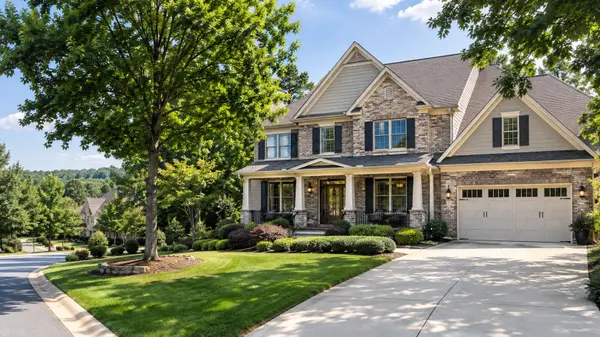
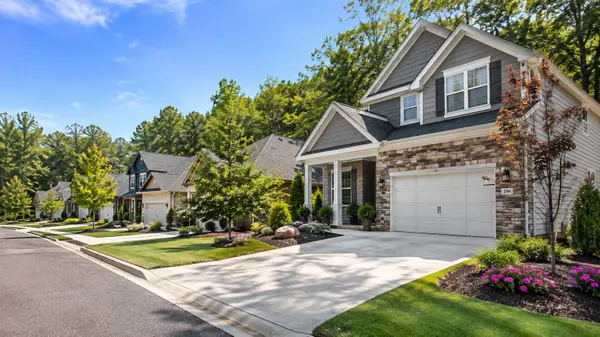
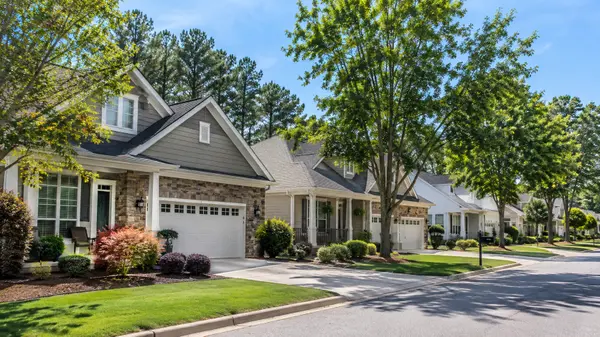
Suwanee buyers generally encounter the broadest range of choices in single-family homes, while townhomes can offer a lower-maintenance ownership format. Condos represent a smaller share of the local housing mix, which can make available options more limited for buyers who want that particular property type.
The median sales price is $649,571, but the practical budget varies significantly by condition, lot size, location, amenities, and housing format. Detached homes are common in established communities and may offer more square footage, storage, yards, and flexible rooms. Townhomes can suit buyers who prioritize reduced exterior maintenance or proximity to everyday services.
Market conditions can differ sharply between an attached home, an updated resale property, and a larger home in an amenity community. Rather than assuming one negotiating environment applies across all of Suwanee, compare active competition, property condition, association fees, tax history, and recent sales for similar homes.
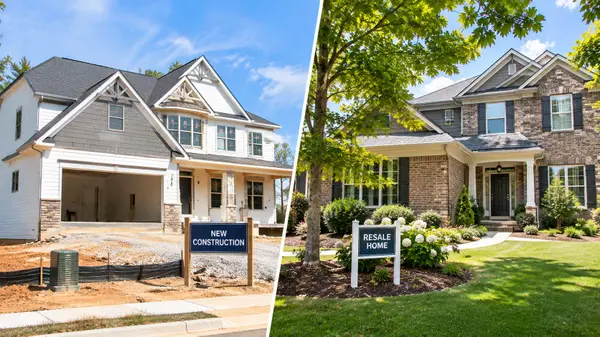
New construction and resale homes should also be evaluated separately. Builder timelines, lot premiums, community fees, and the home's position within the broader Suwanee area can all change the monthly cost and long-term fit. Buyers should focus on the complete ownership picture, not just the list price.
Neighborhoods and Communities in Suwanee
Suwanee offers several community styles, and the right choice depends on your home preferences, commute priorities, maintenance expectations, and access to everyday amenities.
Suwanee Station can appeal to buyers seeking an attached-home setting with access to Town Center-area services. Its lower-maintenance format may work for first-time buyers, downsizers, and relocators who prefer less exterior upkeep.
Richland offers an established residential setting with traditional suburban housing patterns. It can suit households that value a familiar neighborhood environment, nearby retail, and practical access to major roads.
Ruby Forest is an established swim-tennis community with detached homes and a classic suburban layout. Buyers seeking yard space, neighborhood amenities, and a community-oriented atmosphere may find it relevant.
Morningview is a larger amenity-focused community associated with single-family homes and an active neighborhood identity. It may suit move-up buyers who want additional interior space, recreation features, and a neighborhood routine built around shared amenities.
Olde Atlanta Club combines larger homes with a golf-oriented community environment. It can fit buyers looking for more space, a recreation-centered setting, and a distinct neighborhood character.
Each community requires address-level research. Compare lot size, homeowner association rules, maintenance obligations, commute routes, nearby services, and the home's condition before deciding which setting best supports your move.
Jobs and Economy
Suwanee connects residents to a regional economy supported by professional services, manufacturing, healthcare, retail, education, finance, and technology-related work. Professional services make up the largest share of local employment, with manufacturing, retail, healthcare, and education following.
That mix matters because relocating households may have very different work locations and schedules. Some residents travel toward office and commercial corridors, while others work in medical, education, industrial, retail, or hybrid roles throughout northeast metro Atlanta.
Above-average household incomes align with demand for larger homes, flexible living areas, and amenity-rich communities. For remote and hybrid workers, a home's functionality may matter as much as its location. Dedicated work space, room separation, storage, outdoor areas, and access to nearby services can influence whether a neighborhood works well day to day. Healthcare professionals on overnight or rotating shifts may also want to weigh bedroom placement, street noise, and off-peak drive times.
Before choosing an address, map likely travel times during the hours you expect to commute. Road access, parking needs, and changing traffic patterns can affect long-term satisfaction as much as a home's size or finishes.
Schools and Education
School planning in Suwanee should begin with the individual property because attendance assignments can differ between nearby addresses. The broader Suwanee area includes 16 elementary schools, 4 middle schools, and 5 high schools, with public and private options represented across multiple attendance areas.
Several individual schools have recorded ratings of 9 or 10 out of 10. Burnette Elementary School, Suwanee Elementary School, Roberts Elementary School, and Level Creek Elementary School are listed at 10 out of 10. Riverwatch Middle School and Lambert High School are listed at 10 out of 10, while North Gwinnett High School and Collins Hill High School are each listed at 9 out of 10. These are individual school ratings, not district-wide conclusions, and the area spans more than one school district.
Private education is also part of the local landscape. Friendship Christian School serves students from preschool through grade 12 and has a listed 7:1 student-teacher ratio.
For relocating households, the practical question is whether the assigned school, transportation routine, program availability, and extracurricular schedule fit the family's needs. Confirm enrollment, boundaries, transportation, and current program details directly with the applicable school system.
Climate and Lifestyle
Suwanee has a warm, humid climate with long outdoor seasons, hot summers, mild winters, and regular rainfall throughout the year. Summer heat makes efficient cooling, shade, and outdoor-living design important considerations when comparing homes. Winters are generally mild with only occasional, light snowfall, and spring and fall tend to be the most comfortable seasons for outdoor routines.
Town Center Park supports events and everyday outdoor time near restaurants and services. The Suwanee Creek Greenway offers routes for walking, running, and cycling, while Suwanee Creek Park includes trails, picnic areas, and disc golf. George Pierce Park provides additional sports facilities and green space.
Relocators should budget for seasonal cooling, lawn care, and weather-related maintenance. Roof condition, drainage, tree coverage, gutter upkeep, and storm preparation are practical factors to review before purchasing.
What to Budget Beyond the Purchase Price
Property taxes: Georgia property taxes depend on assessed value, local millage rates, and available exemptions. The actual amount is specific to the property and taxing jurisdictions.
Homeowners insurance: Premiums can vary by replacement value, roof age, deductible, wind and hail coverage, water coverage, and liability limits. Obtain quotes for the exact property before finalizing a budget.
HOA fees: Many Suwanee communities have homeowner association dues. Fees may support amenities, landscaping, common-area maintenance, reserves, or neighborhood operations.
Utilities: Larger homes and summer cooling use can create meaningful monthly expenses, so ask for recent utility history on any home you consider.
Transportation: Suwanee is largely vehicle-oriented. Vehicle ownership, fuel, maintenance, parking, and commute distance can materially affect a household budget.
Suwanee Relocation Decision Framework
Suwanee is best evaluated by looking at how each address supports your housing, work, school, and lifestyle priorities.
| Factor | What to check in Suwanee |
|---|---|
| Home price context | $649,571 median sales price; compare by property type and neighborhood |
| Cost-of-living context | Above the national average; housing and commute choices shape the total |
| School planning | Multiple attendance areas and districts; confirm by address |
| Commute planning | Vehicle-oriented access to northeast metro Atlanta; test drive times at your actual hours |
| Climate considerations | Heat, humidity, rainfall, and storm maintenance |
| Lifestyle fit | Suburban, park-oriented, community-centered |
The strongest relocation choice is the one that balances housing, travel, lifestyle, and recurring costs.
Frequently Asked Questions About Moving to Suwanee
Is Suwanee a good place to live?
Suwanee can be a strong fit for households seeking suburban neighborhoods, community amenities, and regular access to parks and trails. The broader area has a population of 91,431 and an owner-occupancy rate of about 83%, which reflects a substantial established-homeownership base. Whether it is the right fit depends on your budget, work location, and preferred home style.
How affordable is housing in Suwanee?
Suwanee's median sales price was $649,571 as of November 2026, so many buyers will be evaluating move-up housing rather than only entry-level detached homes. Townhomes and attached homes can offer lower entry points. A useful comparison should include property taxes, insurance, association fees, transportation, and utility use alongside the home price.
What are the job prospects in Suwanee?
The area connects residents to a diverse employment mix led by professional services, manufacturing, retail, and healthcare. Education, finance, hospitality, construction, and technology-related work also contribute to the local employment profile. Relocators should plan around the location and schedule of their specific employer rather than relying on a general commute estimate.
What should I know about schools in Suwanee before moving?
School assignments should be verified for the exact property because nearby homes can fall within different attendance areas. The broader Suwanee area includes 16 elementary schools, 4 middle schools, and 5 high schools, with several individual public schools listed at ratings between 8 and 10 out of 10. Families should confirm current boundaries, enrollment procedures, transportation, and programs directly with the applicable school system.
What are the biggest costs to budget for when relocating to Suwanee?
The key recurring categories are housing, property taxes, homeowners insurance, association dues, utilities, and transportation. Seasonal cooling, lawn care, roof maintenance, drainage, and commuting costs can also affect the total monthly budget.
Ready to Make Your Move to Suwanee?
Relocating is easier with someone local who can tour homes for you, explain commute patterns, and flag ownership costs before you commit. Billy Little and The Keely Collective, a Century 21 Results team founded by Keely McNeal, work with relocating buyers, healthcare professionals, and families moving to Suwanee, offering real-time listing alerts and responsive, personal guidance from first call to closing. Call or text Billy at (470) 281-7853, email billy@keelycollective.com, or reach the team at (678) 448-8004. You can also share your move timeline with us here.
Recent Posts